GPS Trackers for Cats: What to Look For Before You Buy
Weight, collar safety, battery and coverage all matter for cat trackers. A buyer's guide to choosing a GPS or Bluetooth tracker for outdoor cats.
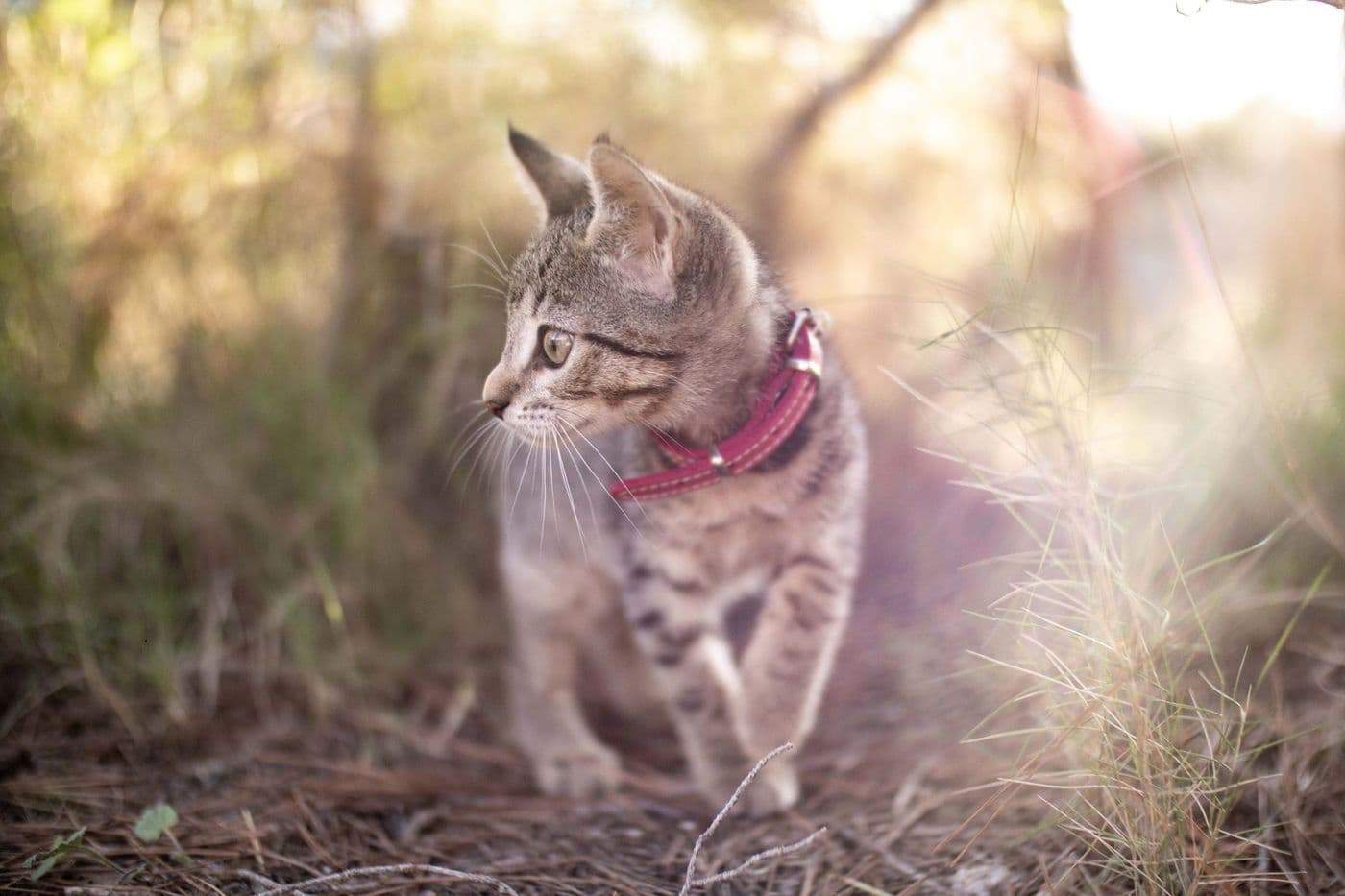
For cats, prioritise a light tracker, a breakaway safety collar, a secure but comfortable fit and a battery you will actually remember to charge. Check the coverage and subscription terms and be realistic about what the tracker can do: it shows where the collar is, not whether your cat is in trouble. Always talk with your vet about collar safety for your individual cat.
Cats are harder to track than dogs. They are smaller, they climb, they squeeze into tight spaces and many dislike wearing anything around the neck.
That makes the details of weight, collar design and fit more important than a long feature list. This guide explains what to check.
Weight and size come first
A tracker that is heavy for a small cat can be uncomfortable and may change how the cat moves. Manufacturers often state a minimum cat weight, so check it and follow it. Ask your vet if you are unsure whether your cat is suited to wearing a tracker.
Look for a slim, rounded design that does not snag on branches or fences.
Collar safety

Cats can get collars caught on branches, fences or furniture. A breakaway (quick-release) collar is designed to open under pressure, reducing the risk of injury. Choose a tracker that attaches to a breakaway collar, and avoid anything that clips on tightly without a release.
Check the fit regularly. You should be able to slide two fingers under the collar, and kittens grow quickly, so recheck often.
Tip: If your cat will not tolerate a collar, discuss alternatives with your vet. A microchip remains the most permanent form of identification.
GPS or Bluetooth?
Each type has trade-offs for cats:
- GPS with cellular: shows position almost anywhere with coverage, but usually heavier and needs a plan.
- Bluetooth tags: tiny and cheap, but only report when another compatible phone is close, so they are weak in quiet countryside.
- Hybrid devices: combine short-range and wider coverage, with their own limits and costs.
Battery and charging habits
A tracker is only useful when it has power. Cats may not tolerate frequent collar removal, so a long-lasting battery or quick charge helps. Published battery figures depend on conditions, so compare the stated update settings behind them.
Set a regular charging routine, for example weekly, and use the low-battery alert if one is offered.
Features that help
Features worth looking for include:
- Water resistance suitable for rain and puddles
- Safe-zone alerts that tell you when your cat leaves the garden
- A light or sound function to find a cat hiding nearby
- Location history to learn your cat's usual routes
- A clear statement of subscription terms
What a tracker cannot do
A tracker will not stop a cat from roaming, and it will not tell you if the cat is injured. It may drift in dense areas, and the collar can come off. Treat it as one tool alongside a microchip, an ID tag and a well-fitted collar.
If your cat disappears, search the area carefully, check sheds and garages, and tell neighbours.
Getting a cat used to wearing a tracker
Introduce the collar gradually. Let your cat sniff it first, then fit it for short periods while offering treats or play. Increase the time over several days. Watch for scratching, hiding or a changed walk and remove it if your cat is clearly bothered.
Fit it so you can slide two fingers beneath it, and check the position often. A tracker that sits at the side of the neck can rotate and become uncomfortable.
Using the data sensibly
Location history can show where your cat spends its time, including neighbours' gardens, which can be useful if you need to search. It can also reveal visits to places you might not expect. Keep in mind that other people have privacy too, and avoid sharing detailed maps publicly.
If the tracker shows your cat has not moved for a long time, check the area promptly. It could mean a sleeping spot, a shut-in shed or a problem.
Alternatives and complements
Some owners prefer to rely on a microchip, a cat flap that recognises their pet, or a quick call around the neighbourhood. Others use a tracker only while a cat settles into a new home, when the risk of wandering is highest.
Think about the reason you want a tracker. If you simply want to know where your cat goes, a lightweight tag may be enough. If you worry about a cat that disappears for days, a more capable device may be worth the extra weight and cost, provided your cat can wear it comfortably.
Frequently asked questions
Can any cat wear a GPS tracker?
Not always. Very small cats and kittens may be too light. Follow the manufacturer's minimum weight and ask your vet.
Are breakaway collars safe?
They are designed to release under pressure, reducing risk. Check the fit regularly.
Do indoor cats need a tracker?
Usually not, but some owners use one for escape-prone cats or during moves.
Is a Bluetooth tag good enough?
In busy areas it can help, but it relies on nearby phones, so it is less dependable in quiet places.
Advertisement
Advertisement
Sponsored: today's featured offer →General information only. Check product labels and manufacturer instructions before you start.
Keep reading
GPS Pet Tracker Battery Life: What Affects It and How to Make It Last
Why tracker battery claims differ from real life, which settings drain power fastest, and practical charging habits so the tracker works when you need it.

Geofence and Safe-Zone Alerts for Pet Trackers: How They Work and Where They Fail
What a virtual fence on a pet tracker does, how alerts are triggered, why false alarms happen and how to set safe zones that are actually useful.

How GPS Pet Trackers Work: Satellites, Cellular Signal and Accuracy Explained
A plain explanation of how GPS pet trackers find and report location, why accuracy varies, and what affects reliability in cities, woods and buildings.