Smart Collars and Pet Activity Trackers: What the Numbers Really Mean
How activity collars measure movement, sleep and scratching, how reliable the data is, and how to use trends to spot changes worth mentioning to your vet.

Smart collars use motion sensors to estimate activity, rest and sometimes scratching or licking. The numbers are estimates, best used to track trends over weeks rather than to judge a single day. A sudden or lasting change in your pet's pattern is worth mentioning to your vet, but the collar cannot diagnose a cause.
Fitness bands for people are common; now pets have them too. Smart collars promise daily activity scores, sleep summaries and alerts about unusual behaviour.
They can be useful, provided you understand what is measured and what is just clever interpretation.
What the sensor measures
Most collars contain an accelerometer, which detects movement in different directions. Software then classifies the motion patterns, estimating whether the animal is walking, running, resting or scratching. Some models add temperature sensing or GPS.
These are estimates. A collar sitting loosely, a heavy coat or unusual movement can affect the readings.
Trends beat daily numbers

A single day's score can be skewed by weather, a vet visit or a quiet weekend. What matters is the pattern over several weeks. A gradual fall in activity or a rise in night-time restlessness is more informative than a one-off dip.
Tip: Establish a baseline during a normal fortnight before reading too much into changes. Add notes on diet, medication and routine changes.
Features you will see
Common functions include:
- Activity and rest time: a daily summary of movement and sleep.
- Scratching and licking detection: may hint at skin irritation, though it cannot identify the cause.
- Goals and challenges: set a target for walks and see progress.
- Health alerts: notifications when the pattern deviates from normal.
Limits and cautions
Health claims deserve care. Independent validation of consumer collars is often limited, and the same pattern can have many causes. A rise in scratching might come from fleas, allergies or boredom. The collar cannot tell you which.
Fit also matters. A collar that is too loose may under-record, and one that is too tight is uncomfortable. Follow the manufacturer's sizing guidance and check the fit regularly.
Choosing a smart collar
Things to compare:
- Weight and size suitable for your pet
- Battery life and how often it needs charging
- Water resistance for rain and swimming
- Whether reports and alerts require a subscription
- How data is stored and who it is shared with
- Whether the app lets you export summaries for your vet
Making the data useful
Bring a summary to check-ups, along with notes about anything unusual. This helps your vet see changes over time. Do not change your pet's diet or exercise based solely on app suggestions without checking with a professional.
Using a collar with older pets
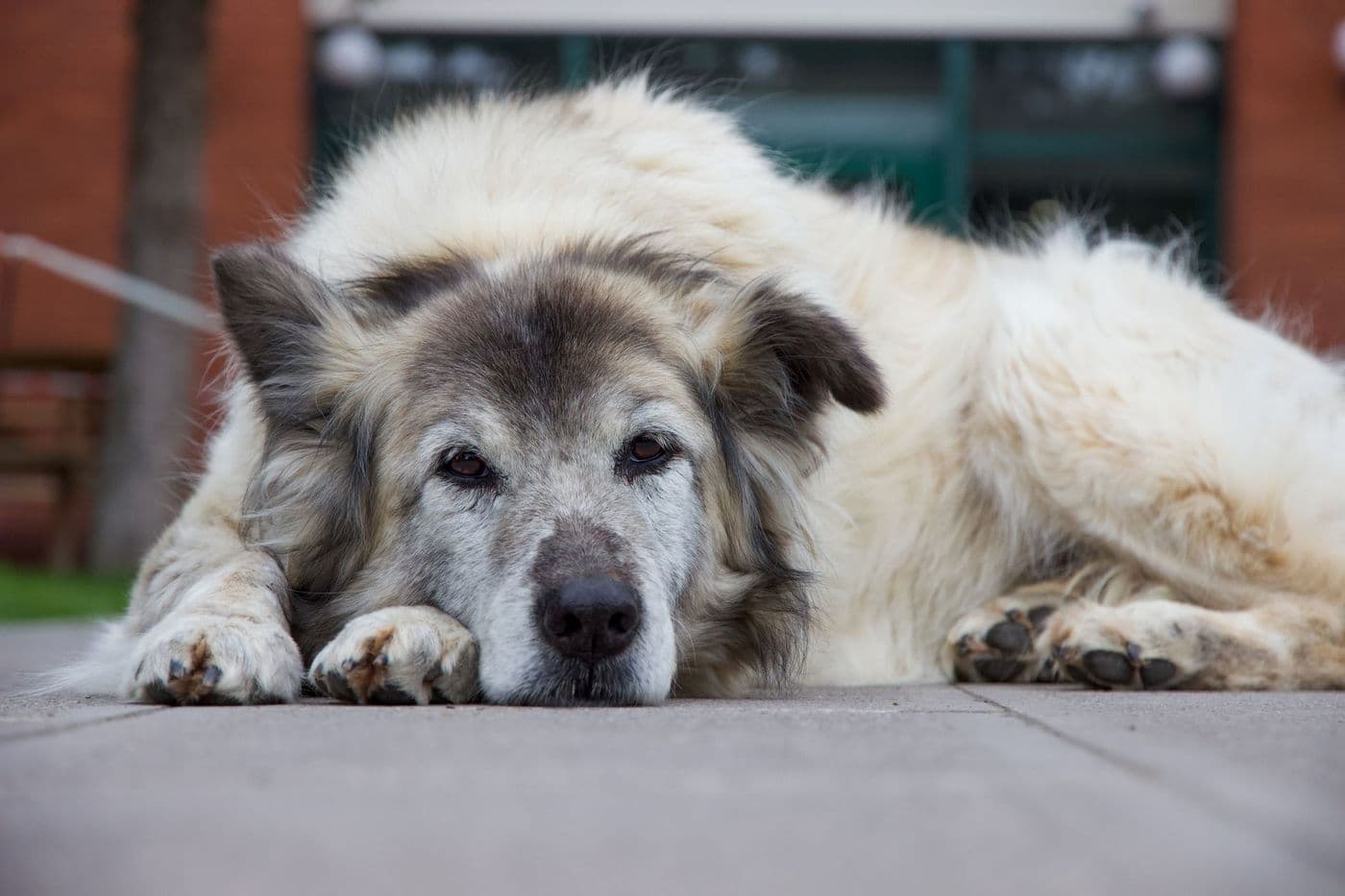
For senior animals, activity data can help show gradual decline, which is easy to miss. A slow reduction in walks or more time resting may relate to joint pain or other age-related changes. Share the trend with your vet so they can examine your pet.
Do not push an older pet to meet an activity goal. Comfort and safety come first, and your vet can advise on suitable exercise.
Data privacy for wearables
Activity data seems harmless, but it can reveal when you are out, where you walk and your daily routine. Review the app's sharing and location settings, and turn off features you do not use.
Choose a company with a clear policy about data storage and deletion, and avoid sharing public posts that show your home address or regular routes.
Comparing smart collars with simple trackers
A basic activity tag tracks steps and rest, usually at a lower price and with a longer battery. A more advanced collar adds sleep analysis, scratching detection and alerts, but also needs more charging and often a subscription.
Ask yourself which data you will actually use. If you only want to see whether your dog gets enough exercise, a basic tracker may be perfect. If you are managing a specific condition with your vet, more detail could be useful, but only if your vet wants it.
Frequently asked questions
Are activity numbers accurate?
They are estimates. Use trends rather than single readings.
Can a collar detect illness?
It can show changes in behaviour, but it cannot diagnose illness.
Is a collar good for weight loss plans?
It can help track exercise, but discuss goals with your vet.
Is it safe for cats?
Check the weight and breakaway features, and ask your vet.
Advertisement
Advertisement
Sponsored: today's featured offer →General information only. Check product labels and manufacturer instructions before you start.
Keep reading
Pet Health Record and Reminder Apps: Keeping Vaccines, Meds and Vet Visits in One Place
What to look for in a pet health record app: reminders, document storage, sharing with vets and sitters, privacy and backup, without the hype.
Pet Food Scanners and Calorie Tracking Apps: Useful Tools or Gimmicks?
What pet food scanner and calorie apps do, the limits of ingredient scoring, how to track portions for weight management and when to ask your vet.

Pet Breed Identifier Apps: How They Work and How Much to Trust Them
Photo-based breed identifier apps explained: how image recognition guesses breeds, why mixed breeds confuse it and when a DNA test or vet is a better source.