Pet Food Scanners and Calorie Tracking Apps: Useful Tools or Gimmicks?
What pet food scanner and calorie apps do, the limits of ingredient scoring, how to track portions for weight management and when to ask your vet.
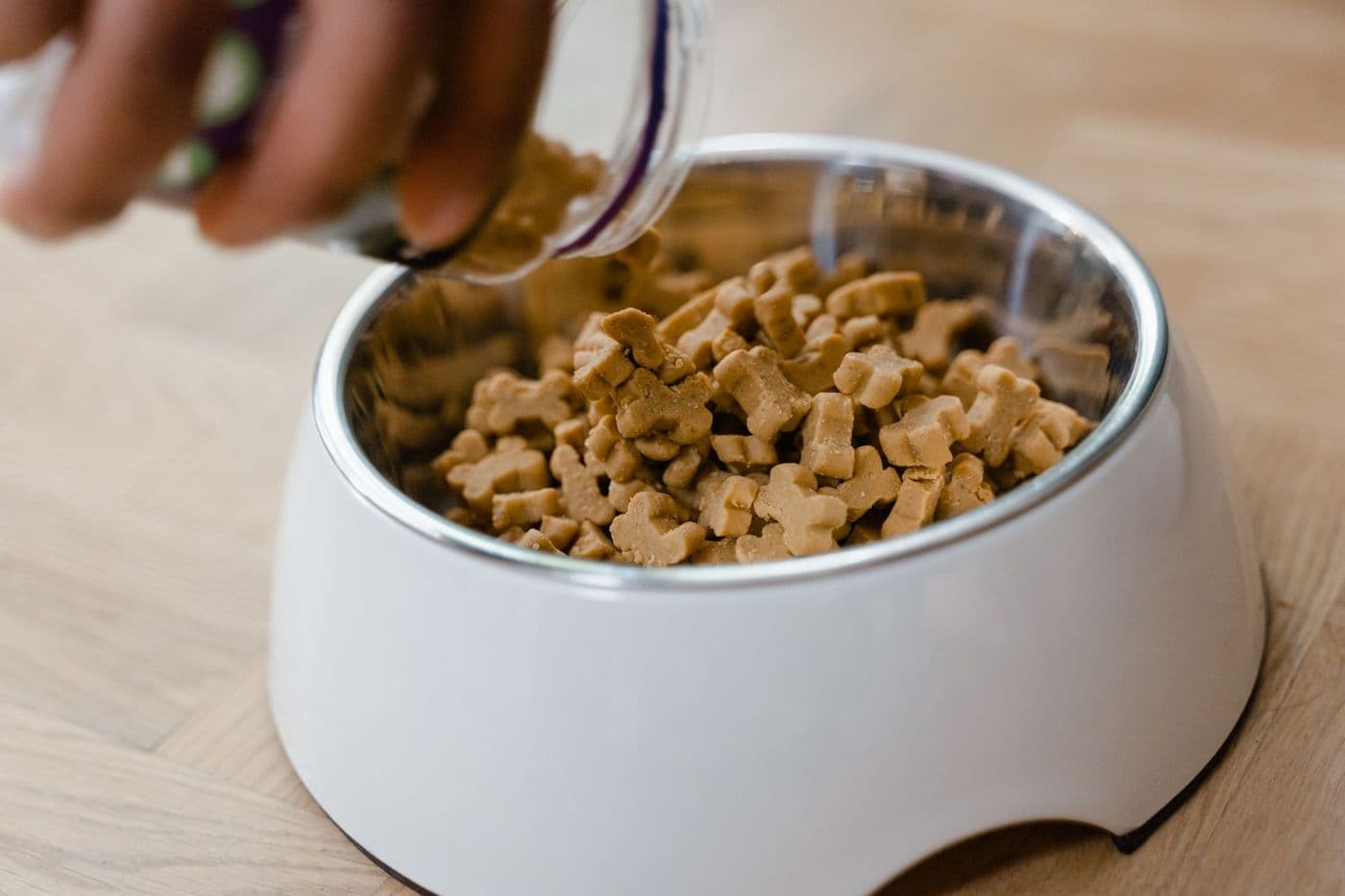
Pet food apps can help you log portions and calories, which is useful for weight management. Ingredient scoring features are less dependable, because a simple rating cannot capture a food's full nutritional adequacy or your pet's needs. Use the app for tracking, and ask your vet which food and daily amount suit your individual pet.
Many pet owners worry about whether they are feeding the right food, or the right amount. Apps promise to scan a label, grade the ingredients and track calories.
Some of those promises are more solid than others. Here is a balanced look at what these apps do.
Calorie and portion tracking
This is the most practical function. You enter your pet's weight, food and treats, and the app tallies daily calories. Seeing treats added up can be eye-opening.
The calorie target the app suggests is an estimate. Needs vary with age, activity, neutering status and health, so agree a target with your vet.
Label scanners and ingredient scores
Scanner apps read a barcode or label and give a score or traffic-light rating. The score often reflects a simplified view of ingredients, for example the presence of certain additives, rather than complete nutrition.
A high score does not guarantee that a food is complete and balanced for your pet, and a low score does not always mean the food is harmful. Look for statements on the packaging about nutritional adequacy for your pet's life stage, and ask your vet.
Tip: Be sceptical of apps that sell their own products or are funded by brand placement. Check how the ratings are produced.
Weight management features
Helpful features include:
- Weight logs: record regular weigh-ins and plot the trend.
- Body condition guides: pictures to help you judge whether your pet looks lean or overweight.
- Reminders: prompts for meal times and weigh-ins.
- Treat budgets: a daily allowance so you know when to stop.
Connecting with smart feeders

Some smart feeders sync with an app, logging each portion dispensed. That can make tracking easier, but the measured amount depends on the feeder's mechanism. Weigh a few portions on a kitchen scale to check accuracy.
What to check before using one
Consider the following:
- Who creates the food database, and how often it is updated
- Whether calorie values come from manufacturers or estimates
- Whether the app asks for sensitive personal data it does not need
- Whether key features are free or require a subscription
- How easy it is to enter custom foods and treats
When to speak to your vet
Sudden weight changes, appetite changes or digestive problems need professional advice. An app can record them, but it cannot find the cause. Bring your logs to appointments.
Treats, table scraps and hidden calories
Treats and extras are where many owners lose track. A few chews, a dental stick and a bit of leftover can add up to a significant share of a small pet's daily needs. Logging them makes the pattern visible.
Consider swapping some treats for part of the daily kibble ration, so your pet still gets rewards without extra calories. Ask your vet for suitable low-calorie options.
A routine that works
Weigh your pet at regular intervals using the same scale, and record it in the app. Look at body shape too, since weight alone does not tell the whole story. If you are unsure how to judge body condition, ask your vet or a veterinary nurse to show you.
Keep changes gradual and follow professional advice, especially for pets with health conditions.
Special diets and medical needs
Pets with allergies, kidney disease, diabetes or other conditions often follow veterinary diets with specific rules. A general app may not understand these, so follow your vet's instructions over any automatic suggestion.
If you use an app to monitor intake for a medical reason, share the log with your vet regularly and ask them what to track. Accurate records of food, treats and medicines can make appointments far more productive.
Frequently asked questions
Can an app tell me the right amount to feed?
It can give a guide, but your vet can tailor it to your pet.
Are ingredient scores reliable?
They are simplified and not a full nutritional assessment.
Do treats really matter in calorie counts?
Yes. They can add up, especially for small pets.
Is a free app enough?
Often yes for basic tracking. Compare features before paying.
Advertisement
Advertisement
Sponsored: today's featured offer →General information only. Check product labels and manufacturer instructions before you start.
Keep reading

Pet Health Record and Reminder Apps: Keeping Vaccines, Meds and Vet Visits in One Place
What to look for in a pet health record app: reminders, document storage, sharing with vets and sitters, privacy and backup, without the hype.

Smart Collars and Pet Activity Trackers: What the Numbers Really Mean
How activity collars measure movement, sleep and scratching, how reliable the data is, and how to use trends to spot changes worth mentioning to your vet.

Pet Breed Identifier Apps: How They Work and How Much to Trust Them
Photo-based breed identifier apps explained: how image recognition guesses breeds, why mixed breeds confuse it and when a DNA test or vet is a better source.