Pet Breed Identifier Apps: How They Work and How Much to Trust Them
Photo-based breed identifier apps explained: how image recognition guesses breeds, why mixed breeds confuse it and when a DNA test or vet is a better source.
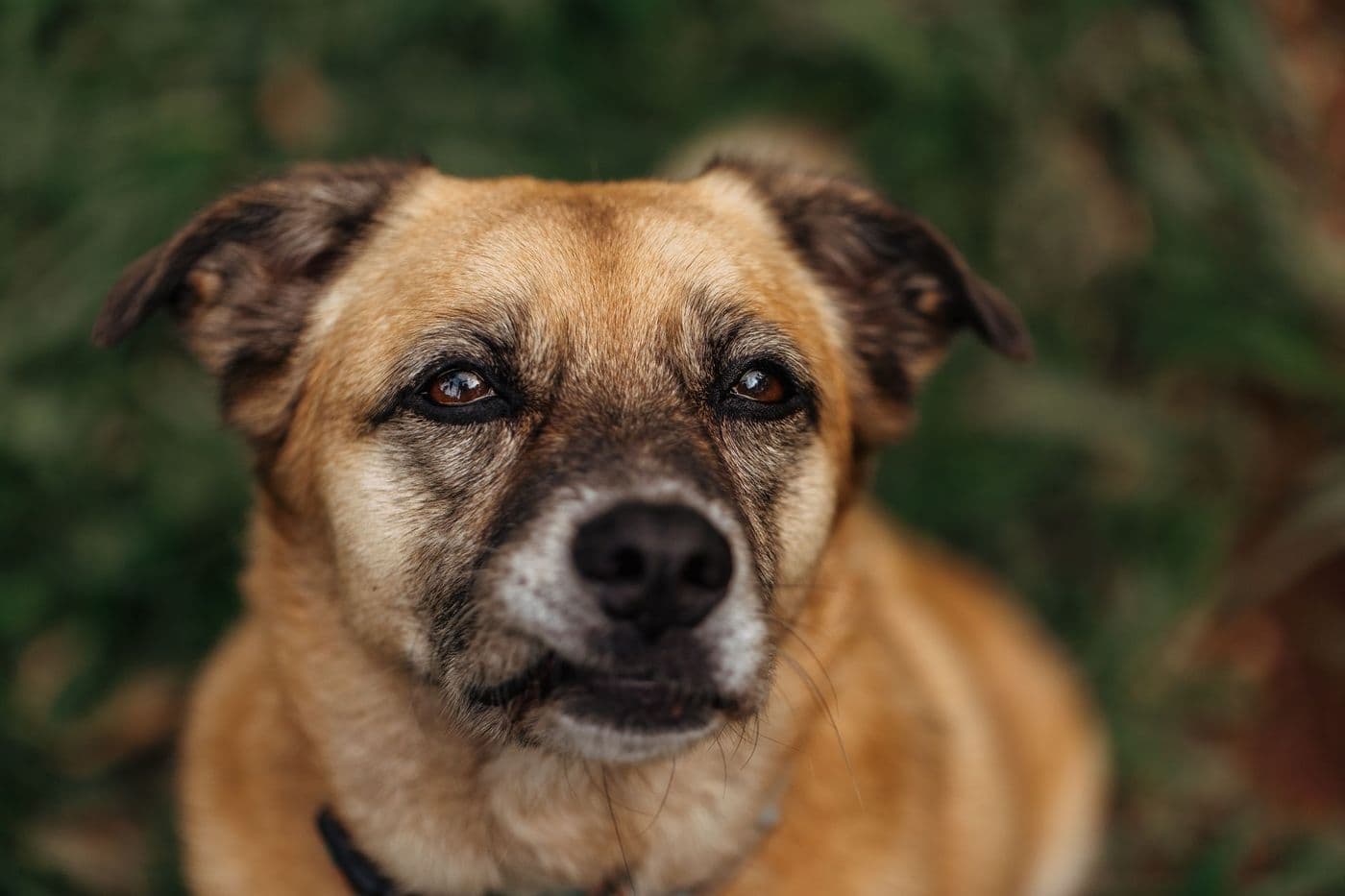
Breed identifier apps compare your pet's photo with images of known breeds and suggest the closest matches. They are fun and often reasonable for pure-breed animals, but they can be unreliable for mixed breeds, puppies and unusual coats, because appearance does not reveal genetics. Treat results as a guess, and consider a DNA test or your vet's opinion for anything important.
Point your phone at a dog and an app names the breed in seconds. It makes a great party trick, and for adopters of rescue dogs, it can feel genuinely helpful.
Understanding how these apps reach their answers explains when to trust them and when to take them with a pinch of salt.
How the recognition works
The app uses an image recognition model trained on a large collection of labelled photos. It looks at features such as ear shape, muzzle length, coat pattern and body proportions, and compares them with what it learned. The output is usually a list of likely breeds with confidence scores.
It is matching appearance to examples, not reading genes. That distinction explains most of its limits.
Where it does well

Pure-breed animals with distinctive features, such as a recognisable terrier or hound, are the easiest. A clear, well-lit side or front photo with the full body visible tends to improve results.
Where it struggles
Expect uncertain results in these cases:
- Mixed breeds: many combinations look similar, and the app may name only the most visible ancestor.
- Puppies: features change as they grow, so a young dog may look different later.
- Unusual coats or grooming: clipping and colour can mask features.
- Poor photos: bad light, angles or partial views reduce accuracy.
- Cats: many are domestic shorthairs with few breed-specific features.
Tip: Take several photos from different angles and compare the results. If suggestions vary widely, the app is probably unsure.
Why the breed guess matters less than people think
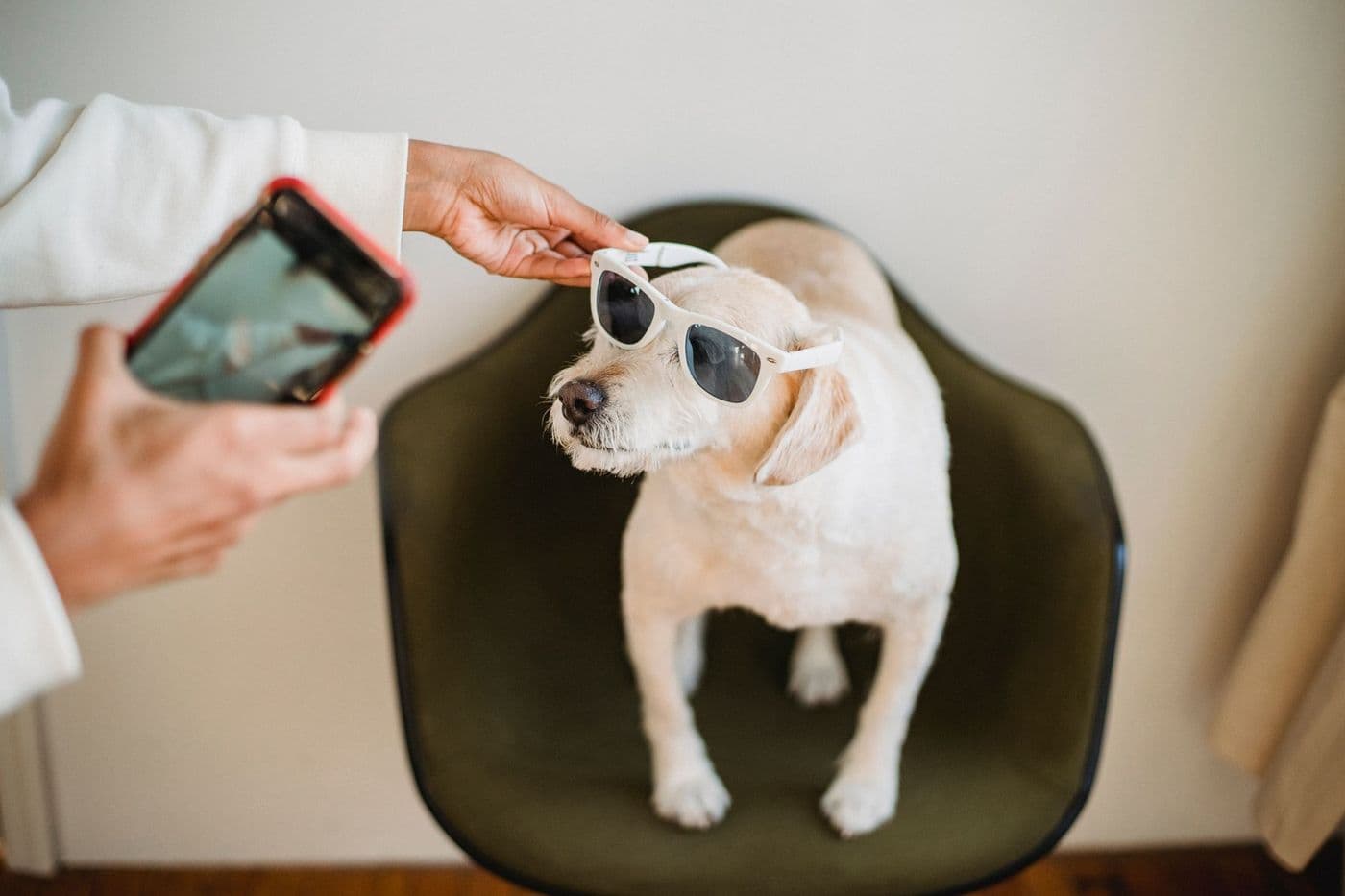
Appearance gives limited insight into temperament, health or exercise needs. Two dogs that look alike may behave quite differently, and a label may lead to assumptions. Avoid relying on a breed name for medical decisions.
If you want to learn about health risks, a vet can offer guidance based on your animal rather than on a category.
DNA tests as an alternative
Consumer DNA kits analyse a sample from your pet and compare it with a reference database. They are generally more informative for mixed breeds, though results depend on the company's database and methods, and accuracy claims vary. Read what the company says about its limits and its privacy policy before sending a sample.
Privacy and sensible use
Before using any identifier app:
- Check what permissions it asks for and whether it keeps your photos
- Avoid including people or sensitive backgrounds in photos
- Treat free apps with ad networks with extra care
- Use the result as entertainment or a starting point, not a certificate
Taking better photos for better guesses
Photograph your pet in natural light, standing or sitting, with the whole body visible and the camera at pet height. Avoid heavy filters or costumes. A clean background helps the model focus on your pet instead of surroundings.
Take a profile shot and a front shot, and compare the answers. Consistency across photos is a sign that the app is reading real features.
Thinking about what breed means
Breed names describe groups of animals bred for certain traits, but individuals vary widely. Training, socialisation, diet and environment shape behaviour as much as ancestry.
If you adopt a dog and the shelter lists a breed guess, treat it as an estimate. Spend time with the animal and focus on its personality and needs.
Uses where a guess is good enough
For fun, social posts or satisfying curiosity about what your rescue might be, an app guess is perfectly adequate. It can also help you find breed-specific grooming tips or ideas for toys to try.
It is less appropriate for decisions about housing applications, insurance or medical care. Insurers, landlords and vets may have their own requirements or rely on documentation, and an app result is unlikely to count. In those situations, ask the relevant organisation what they accept.
Frequently asked questions
Can an app tell me my dog's exact breed mix?
Not reliably. It estimates from appearance, which can mislead for mixed breeds.
Is a DNA test more accurate?
Often more informative for mixes, but accuracy depends on the company and database.
Do apps work on puppies?
Less well, as puppies change appearance while growing.
Should I choose a pet based on an app result?
No. Temperament and health vary within every breed, so meet the animal and ask the shelter or breeder.
Advertisement
Advertisement
Sponsored: today's featured offer →General information only. Check product labels and manufacturer instructions before you start.
Keep reading
Pet Health Record and Reminder Apps: Keeping Vaccines, Meds and Vet Visits in One Place
What to look for in a pet health record app: reminders, document storage, sharing with vets and sitters, privacy and backup, without the hype.
Pet Food Scanners and Calorie Tracking Apps: Useful Tools or Gimmicks?
What pet food scanner and calorie apps do, the limits of ingredient scoring, how to track portions for weight management and when to ask your vet.
Smart Collars and Pet Activity Trackers: What the Numbers Really Mean
How activity collars measure movement, sleep and scratching, how reliable the data is, and how to use trends to spot changes worth mentioning to your vet.