Smart Pet Water Fountains: Filters, Pumps and Features Worth Paying For
Do pets drink more from a fountain? How pet water fountains work, which materials and filters to prefer, noise, cleaning and what smart features add.
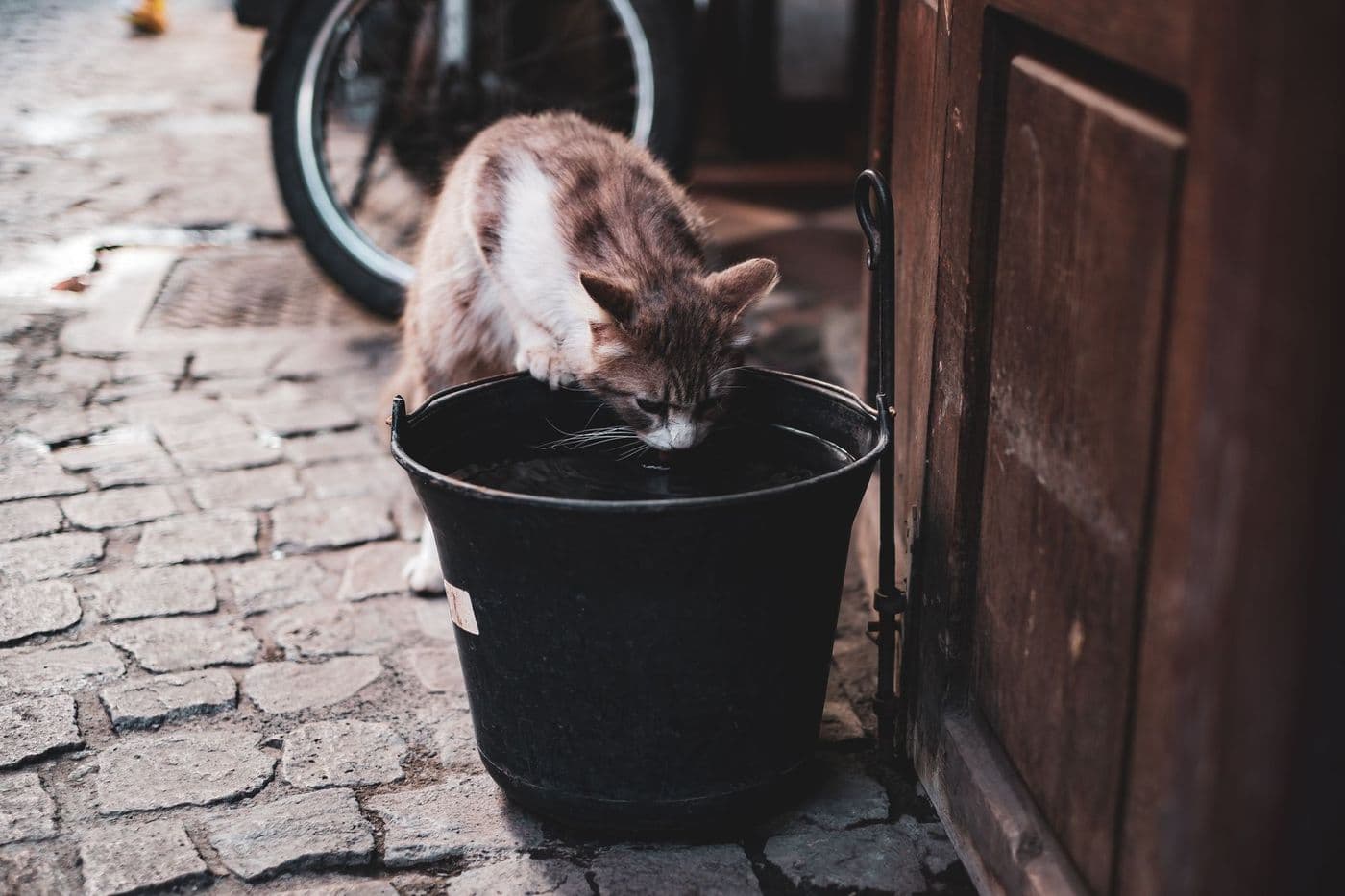
A pet water fountain circulates water through a pump and filter so it stays moving and fresher than a standing bowl. Some pets drink more from one, but it is not guaranteed. Prefer stainless steel or ceramic reservoirs, a quiet pump, filters that are easy to replace and parts that come apart for cleaning. Smart models add low-water alerts, but cleaning matters far more than apps.
Many cats seem to love running water, and plenty of owners buy a fountain hoping their pet will drink more. Others find the motor annoying or the cleaning a chore.
This guide explains how fountains work, what the smart features really add, and the practical details that decide whether you will still be using one in six months.
What happens inside a fountain
A small submersible pump pushes water from the reservoir up through a spout or channel. It falls back into the basin, which aerates and moves the water. A filter, usually containing carbon and sometimes a fibre mesh, catches hair and debris and may reduce odours and tastes from tap water.
Because the water flows, some pets find it more appealing. Whether yours will is hard to predict, so treat a fountain as an experiment rather than a guaranteed fix for low water intake.
Material matters
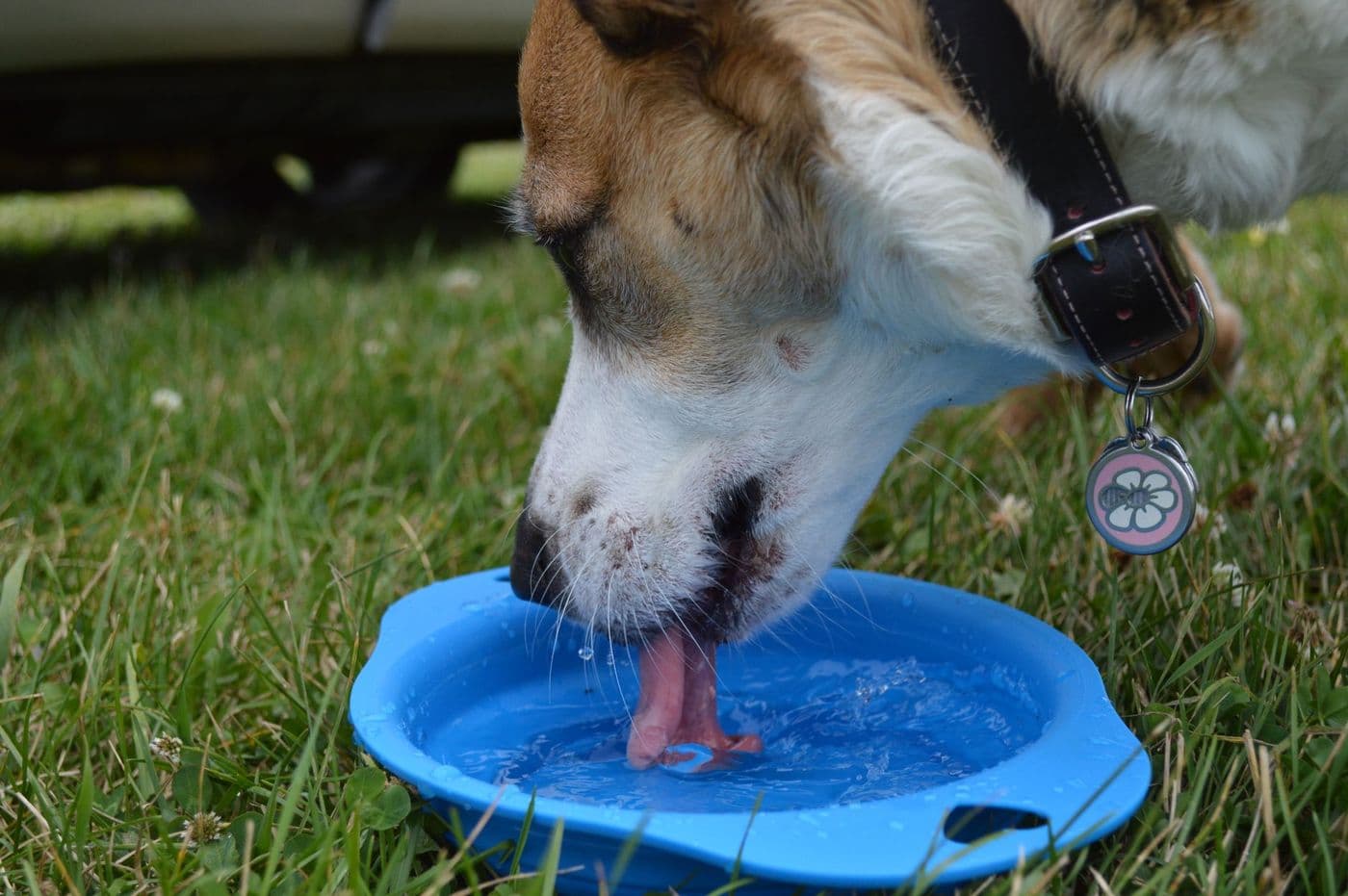
The reservoir material affects hygiene and durability:
- Stainless steel: durable, easy to wash and resistant to scratches where bacteria hide.
- Ceramic: heavy and stable, smooth when glazed well, but breakable.
- Plastic: lightweight and inexpensive, but can scratch over time. Choose BPA-free options and replace it if the surface becomes rough.
Pump noise and placement
Noise varies between models, and a quiet pump matters if the fountain sits in a bedroom or near a sleeping spot. A low water level can make a pump louder, so keep the reservoir topped up.
Place the fountain away from the food bowl, since many cats prefer drinking away from where they eat. Put it on a flat surface and keep the cord out of reach of chewing pets.
Filters and how often to change them

Filters do not last forever. Manufacturers give replacement intervals, so check the product details and replacement cost, because filters are an ongoing expense. A fountain with hard-to-find filters can become a headache.
A filter does not replace cleaning. Biofilm, a slimy layer, builds up on surfaces even with clean water.
Tip: Wash the whole fountain with warm soapy water on a regular schedule, and rinse thoroughly so no soap residue remains.
What smart features add
App-connected fountains may report water level, track how often the pet drinks and remind you to change the filter. Those alerts can be helpful for busy owners.
Tracking drinking is interesting but not a diagnostic tool. If your pet suddenly drinks much more or much less, speak with your vet rather than relying on the app to interpret it.
Buyer checklist
Before buying, consider:
- Reservoir size relative to how many pets drink from it
- Reservoir material and how easy it is to scrub
- Pump noise and whether the pump is easy to remove and clean
- Filter availability and long-term cost
- Whether it has an automatic shut-off when water runs low
- Power: mains, USB or battery
- Whether any smart features need a Wi-Fi connection
Hydration and when to worry
Fountains are sometimes suggested as a way to encourage drinking, which matters for pets that eat mostly dry food. But a fountain is not a treatment. If your pet is drinking noticeably more or less than normal, or seems lethargic, contact your vet promptly rather than adjusting equipment.
Also remember that some pets prefer still water, and a wide shallow bowl may suit whisker-sensitive cats better than a narrow basin. Offering more than one option for a few days shows you which your pet prefers.
Cleaning routine that works
Take the fountain apart, wash the pump, spout and basin and clear the small channels where residue collects. A small brush designed for bottles and tubes helps reach the pump housing. Rinse everything well and let it dry before reassembling.
Top up with fresh water daily, rather than only adding to what is already there, so old water does not linger. If you live in an area with hard water, mineral deposits may build up on the pump, and occasional descaling following the maker's instructions can keep it running quietly.
Safety and household considerations
Keep the cord tidy and consider a cord cover if your pet likes to chew. Place the fountain on a surface that tolerates a little water, because splashes happen, especially with enthusiastic drinkers.
If you have a puppy or a kitten, supervise at first. Small animals can be curious about moving water and may play with the spout. Also make sure that the pump has an automatic shut-off if the water level drops, since a pump running dry can fail and, in rare cases, overheat.
Frequently asked questions
Will my cat drink more from a fountain?
Some do, some do not. Try one, watch your cat's behaviour and talk with your vet if you are concerned about hydration.
How often should I clean a pet fountain?
Regularly, following the manufacturer's guidance. Biofilm can build up even when the water looks clear.
Are plastic fountains safe?
Many are, but scratched plastic can harbour bacteria. Stainless steel or ceramic are easier to keep clean.
Can a fountain run unattended?
Most are designed to, but check the water level regularly because a dry pump can overheat or wear out.
Advertisement
Advertisement
Sponsored: today's featured offer →General information only. Check product labels and manufacturer instructions before you start.
Keep reading

Smart Litter Boxes Explained: Self-Cleaning Features, Sensors and Trade-Offs
How self-cleaning litter boxes work, what sensors do, safety checks, odour control and the questions to ask before spending money on one.

Automatic Feeders for Wet Food: Are They Safe, and Do They Work?
Can an automatic pet feeder handle wet food? Learn how tray and chilled-compartment feeders work, hygiene limits and what to check before using one.
How Automatic Pet Feeders Work: Motors, Timers and What Can Go Wrong
A plain-English look inside automatic pet feeders: dispensing mechanisms, timers, sensors and common failure points, plus questions to ask before buying.