How Automatic Pet Feeders Work: Motors, Timers and What Can Go Wrong
A plain-English look inside automatic pet feeders: dispensing mechanisms, timers, sensors and common failure points, plus questions to ask before buying.
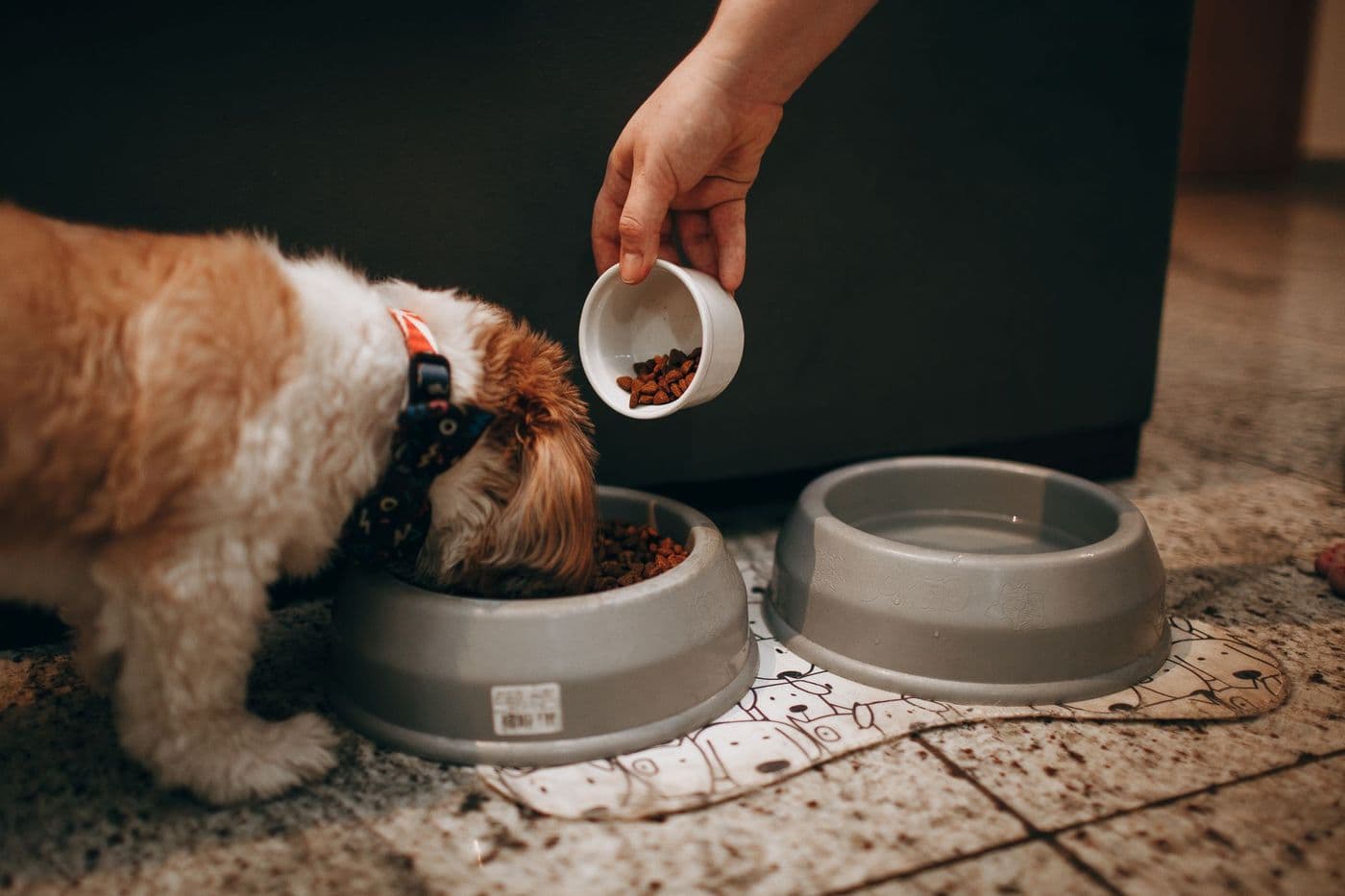
An automatic pet feeder stores dry food in a hopper and releases a set amount at scheduled times, usually with a motor-driven auger or rotating wheel. A clock or app tells the motor when to run. Most failures come from jammed kibble, power loss or a poorly set schedule, so look for jam resistance, battery backup and a schedule saved on the device itself.
Under the plastic shell, an automatic feeder is a fairly simple machine: a container, a mechanism that moves food, and a timer. Understanding the parts makes it easier to compare models and spot the weak points before they cause a missed meal.
This guide walks through each part in turn and explains what to look out for.
The hopper: where the food waits
The hopper is the storage container at the top. Its size determines how many days of food it holds, but a larger hopper is not always better. Dry food can lose freshness over time, and oils can build up on the walls.
Good hoppers have a tight lid, a gasket or seal, and sometimes a slot for a desiccant pack. Transparent windows let you see the food level at a glance.
Dispensing mechanisms
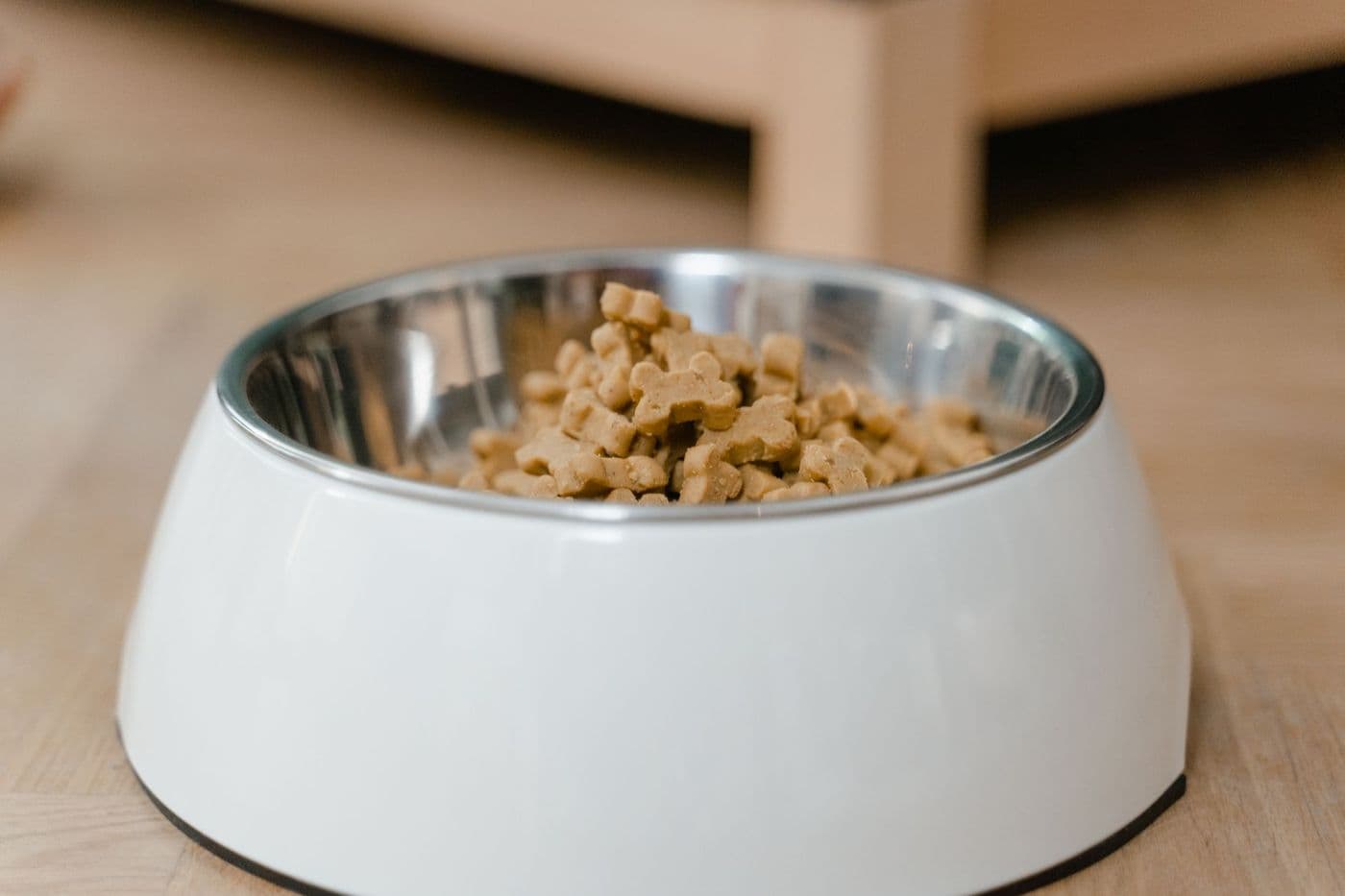
The part that actually moves food comes in a few common forms:
- Auger or screw: a spiral turns and pushes kibble towards the outlet. Portion size depends on how long or how many turns it runs. Can crush or jam on odd-shaped kibble.
- Rotating wheel or drum: compartments fill with food and rotate to a drop point. Portions are fixed by compartment size, which makes them consistent.
- Flap or gate: opens for a set time and lets food fall out under gravity. Simple, but portion accuracy depends on how the kibble flows.
- Tray or carousel: pre-filled compartments open one by one on a schedule. Good for wet food, but limited to a few meals.
The brain: timers, buttons and apps
Basic feeders use an internal clock and a small control panel. You set meal times and portion counts directly on the unit. These models are easy to understand and do not depend on a phone or the internet.
Smart feeders add Wi-Fi and a companion app. You schedule meals from your phone, trigger extra portions and receive notifications. The key question is where the schedule is stored. If it lives only on a remote server, a Wi-Fi outage can disrupt feeding. If it is saved on the device, the feeder carries on regardless.
Tip: Ask whether the feeder keeps its schedule offline. The manual or support pages usually say. It is one of the most important details for reliability.
Sensors and safety features

Some feeders include sensors that detect low food, a blocked outlet or an empty hopper. They can send an alert or flash a light. Others count dispensing cycles instead of measuring weight, so the amount that lands in the bowl depends on kibble size and density.
That is why you should check the actual portion by weighing it on a kitchen scale for the first few days. If the weight differs from what the app says, adjust the setting rather than trusting the label.
Power and backup
Feeders run on mains power, batteries or both. A feeder that has a battery compartment as well as a plug can keep running during a power cut. Fresh batteries matter, because weak ones may leave the motor too slow to finish a rotation.
Check where the cable exits and whether a clever pet could chew or unplug it.
Common failure points
Most problems fall into a handful of categories:
- Jams caused by damp, sticky or unusual kibble shapes
- Power loss that resets the clock or schedule
- Lids that are not locked, letting pets help themselves
- Weak Wi-Fi, which delays app commands
- Build-up of oil and dust that slows the mechanism
Maintenance that keeps it reliable
Empty and wash the hopper, outlet and bowl at regular intervals, following the manufacturer's cleaning instructions. Dry every part thoroughly before reassembling, because moisture makes kibble clump and jam.
Test the feeder during a day when you are at home, and keep a backup plan for longer trips.
Choosing the right mechanism for your pet
Pet size and food type should drive the choice. Small kibble suits most dispensers, but large or oddly shaped pieces can catch in narrow outlets. If you feed a mix of food types, or add supplements and toppers, a mechanism with a wide outlet is less likely to clog.
Think about portion size as well. Some feeders deliver food in fixed increments, which may not match your pet's recommended amount exactly. Look at the smallest portion the feeder can deliver and whether you can fine-tune it, because a small difference repeated every day adds up over weeks.
A short testing routine
Before you rely on any feeder, run a trial. Fill the hopper, schedule a few feeds during times you are home and watch the machine work. Listen for unusual noises, check that the bowl receives the portion you expect and confirm that the feeder still has its schedule after you unplug it for a minute.
Repeat the test whenever you change food brand, because kibble shape and density vary. A feeder that handled one brand perfectly may behave differently with another.
Matching a feeder to your lifestyle
Think about how you will actually use the device. If your main goal is consistent weekday breakfasts, a simple timed model may be all you need. If you travel for a night or two, a model with a battery backup and remote alerts can give extra reassurance, as long as you have someone to check on your pet in person.
If you share the home with several animals, remember that one feeder usually serves one pet. Dispensing into a shared bowl invites the fastest eater to take more than their share, so consider separate stations or a feeder designed to recognise individual pets.
Frequently asked questions
Can an automatic feeder jam?
Yes. Odd-shaped, damp or very large kibble can jam the mechanism. Check the stated kibble size range and clean the feeder regularly.
Do I need Wi-Fi for an automatic feeder?
No. Basic timed feeders work without it. Wi-Fi models add remote control and alerts.
How do I know my pet is getting the right portion?
Weigh a few dispensed portions on a kitchen scale and adjust the settings until they match your target.
Are they safe for puppies and kittens?
Young animals have specific feeding needs, so ask your vet about meal frequency and portions before automating.
Advertisement
Advertisement
Sponsored: today's featured offer →General information only. Check product labels and manufacturer instructions before you start.
Keep reading

Smart Litter Boxes Explained: Self-Cleaning Features, Sensors and Trade-Offs
How self-cleaning litter boxes work, what sensors do, safety checks, odour control and the questions to ask before spending money on one.
Smart Pet Water Fountains: Filters, Pumps and Features Worth Paying For
Do pets drink more from a fountain? How pet water fountains work, which materials and filters to prefer, noise, cleaning and what smart features add.

Automatic Feeders for Wet Food: Are They Safe, and Do They Work?
Can an automatic pet feeder handle wet food? Learn how tray and chilled-compartment feeders work, hygiene limits and what to check before using one.