Microchip Pet Feeders for Multi-Pet Homes: How They Work and What to Check
Do microchip feeders stop one pet eating another's food? How RFID and collar-tag feeders work, their limits, and what to check before you buy one.

A microchip pet feeder keeps its lid or bowl cover closed until it recognises a registered pet, either through the pet's implanted microchip or a small collar tag. That makes it useful when one pet needs a special diet or tends to steal food. Check which chip types the feeder reads, how many pets it can store, how quickly the lid closes, and whether your pet is comfortable approaching it.
Feeding two or more pets from the same room is rarely simple. One cat inhales its meal and moves on to the next bowl, while the dog on a weight plan eyes the kibble meant for the senior cat. Microchip feeders were designed for exactly this problem.
They are not magic, though. This guide explains how they recognise pets, where they work well, where they struggle, and what to look for in the product details before you commit.
How a microchip feeder recognises your pet
Most pets in many countries already carry an implanted microchip, a small passive device that holds a unique number. It has no battery. When the feeder's reader sends out a short radio signal, the chip answers with its number, and the feeder compares that number with the list of pets you have registered.
If the number matches, a motor lifts the lid or slides back a cover. If it does not, the bowl stays closed. Once the pet walks away, the cover closes again after a short delay.
Some feeders skip the implanted chip and use a small tag that clips onto a collar. This is handy for pets without a microchip, or when the reader has trouble with a particular chip type.
Chip, tag or both?
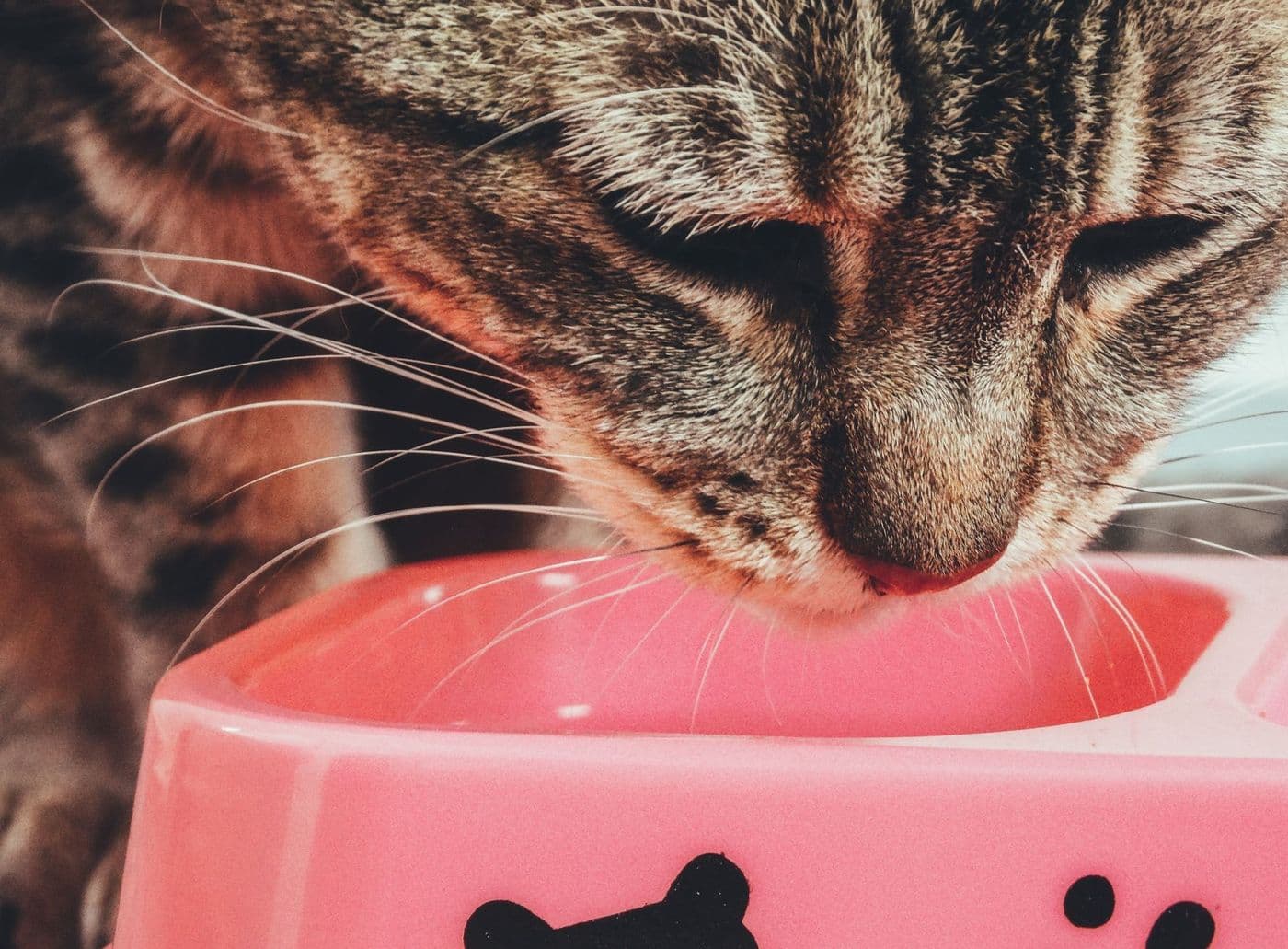
Feeders generally take one of three approaches:
- Implanted-chip readers: nothing for the pet to wear, so there is no collar to lose. Reading range is short, so the pet must put its head close to the reader.
- Collar-tag systems: more reliable detection and often a longer range, but the tag can be chewed, lost or swallowed, and the collar must stay on.
- Hybrid models: accept either, which gives you a fallback if one method misbehaves.
Tip: Check the standard your pet's chip uses. Chips follow different standards in different regions, and not every reader supports all of them. The product page or manual should say which ones are compatible.
Situations where they help most
The classic case is a prescription or weight-management diet. If one cat eats a renal food and the other eats regular food, a closed bowl is far more dependable than hoping they stay apart. A feeder like this can also protect a dog's bowl from a fast-eating housemate, or keep a cat's food out of reach of a curious dog.
They also help when pets eat at different speeds. A slow eater can finish in peace without a sibling nudging in. Do check with your vet before relying on any device to enforce a medical diet.
Where they struggle

Some pets are wary of a lid that moves. A nervous cat may refuse to eat until it is slowly introduced to the device. Pets that eat fast can also nudge the lid with their head, so a poorly balanced lid may let a second pet slip in while the first is eating.
Small differences matter too. A cat that does not hold its head near the sensor may not trigger it, and very large dogs may find the opening awkward. If you have a pet that wriggles or sits at an odd angle, look for reviews that mention this specific issue and ask about the return policy.
What to check before you buy
Use this list when you compare models:
- Supported chip standards and tag types, as stated by the manufacturer
- Number of pets the feeder can store, and how easy it is to add or remove one
- Closing delay: how quickly the lid shuts after the pet leaves
- Bowl type: removable, dishwasher-safe and sized for your pet's face
- Power: batteries, mains or both, and what happens to the lid during a power cut
- Wet versus dry food: some models are designed for wet food and include a seal to keep it fresh
- Noise level of the motor, which matters for anxious pets
Training your pets to use it
Introduce the feeder gradually. Start with the lid propped open so the pet gets used to the bowl and the location. Next, let the lid open and close while the pet watches from a distance, rewarding calm behaviour with a treat.
Only when the pet is relaxed should you switch to full automatic operation. Rushing this step is the most common reason a pet refuses a new feeder. Allow a week or two and stay patient.
Alternatives worth considering
If a microchip feeder is not right, consider feeding in separate rooms with doors closed, using raised feeding stations that suit only one pet's height, or scheduling meals so each animal eats under supervision. These approaches cost less and work in many households.
Cost, upkeep and long-term reliability
Microchip feeders usually cost more than basic bowls or timed feeders, so ask whether the extra price solves a real problem in your home. If your pets happily eat in different rooms, a simple solution may be enough. If one pet genuinely needs protection from the others at meal times, the added cost can be justified.
Think about upkeep too. Sensors, motors and seals are parts that can wear out. Look at the warranty length, whether spare parts such as lids and bowls are sold separately, and how the company handles faulty units. Reading recent owner reviews can reveal patterns that a product page will not.
Safety points to keep in mind
Watch the first few weeks closely. A lid that closes too fast can startle a pet or catch a whisker, and a lid that stays open too long defeats the purpose. Check that nothing, including a tail or paw, can be trapped as the cover moves.
Also keep in mind that a feeder cannot replace supervision for pets with serious medical needs. If a pet must not eat another animal's food for health reasons, combine the feeder with sensible household rules and ask your vet for advice on managing it.
Who should think twice
Households where every pet eats the same food and there is no competition may not need a microchip feeder at all. The same goes for pets that are very anxious about new objects, since the moving lid can add stress at a time when eating should feel safe.
If you have a pet that is very small, very old or has trouble getting close to the sensor, check the return policy before committing. A feeder that a pet cannot or will not use is an expensive ornament, and a straightforward alternative such as feeding in separate rooms may serve you better.
Frequently asked questions
Does the feeder work with any microchip?
Not necessarily. Readers support specific chip standards, so check the manufacturer's compatibility list against your pet's chip before buying.
Can I use one feeder for a cat and a dog?
Yes, as long as each pet is registered and the bowl and opening suit both animals' size. Many owners use separate feeders so the dog cannot block the cat.
What if my pet loses its collar tag?
The lid will stay closed, so keep a spare tag if the manufacturer sells one, or choose a model that reads the implanted chip as a backup.
Will my vet need to approve this?
If your pet has a medical diet, it is wise to discuss any feeding changes with your vet first.
Advertisement
Advertisement
Sponsored: today's featured offer →General information only. Check product labels and manufacturer instructions before you start.
Keep reading

Smart Litter Boxes Explained: Self-Cleaning Features, Sensors and Trade-Offs
How self-cleaning litter boxes work, what sensors do, safety checks, odour control and the questions to ask before spending money on one.

Smart Pet Water Fountains: Filters, Pumps and Features Worth Paying For
Do pets drink more from a fountain? How pet water fountains work, which materials and filters to prefer, noise, cleaning and what smart features add.

Automatic Feeders for Wet Food: Are They Safe, and Do They Work?
Can an automatic pet feeder handle wet food? Learn how tray and chilled-compartment feeders work, hygiene limits and what to check before using one.