Pet Camera Buying Guide: Features, Subscriptions and Privacy
What to look for in a pet camera: video quality, night vision, two-way audio, treat tossing, cloud vs local storage and how to keep it private.

Choose a camera with at least 1080p video, a wide field of view, night vision and two-way audio. Decide whether you want extras such as treat tossing or bark alerts, check whether key features need a paid subscription, and prefer models with local (microSD) storage, two-factor login and regular firmware updates. Place it where it covers your pet's main resting area but not private parts of the home.
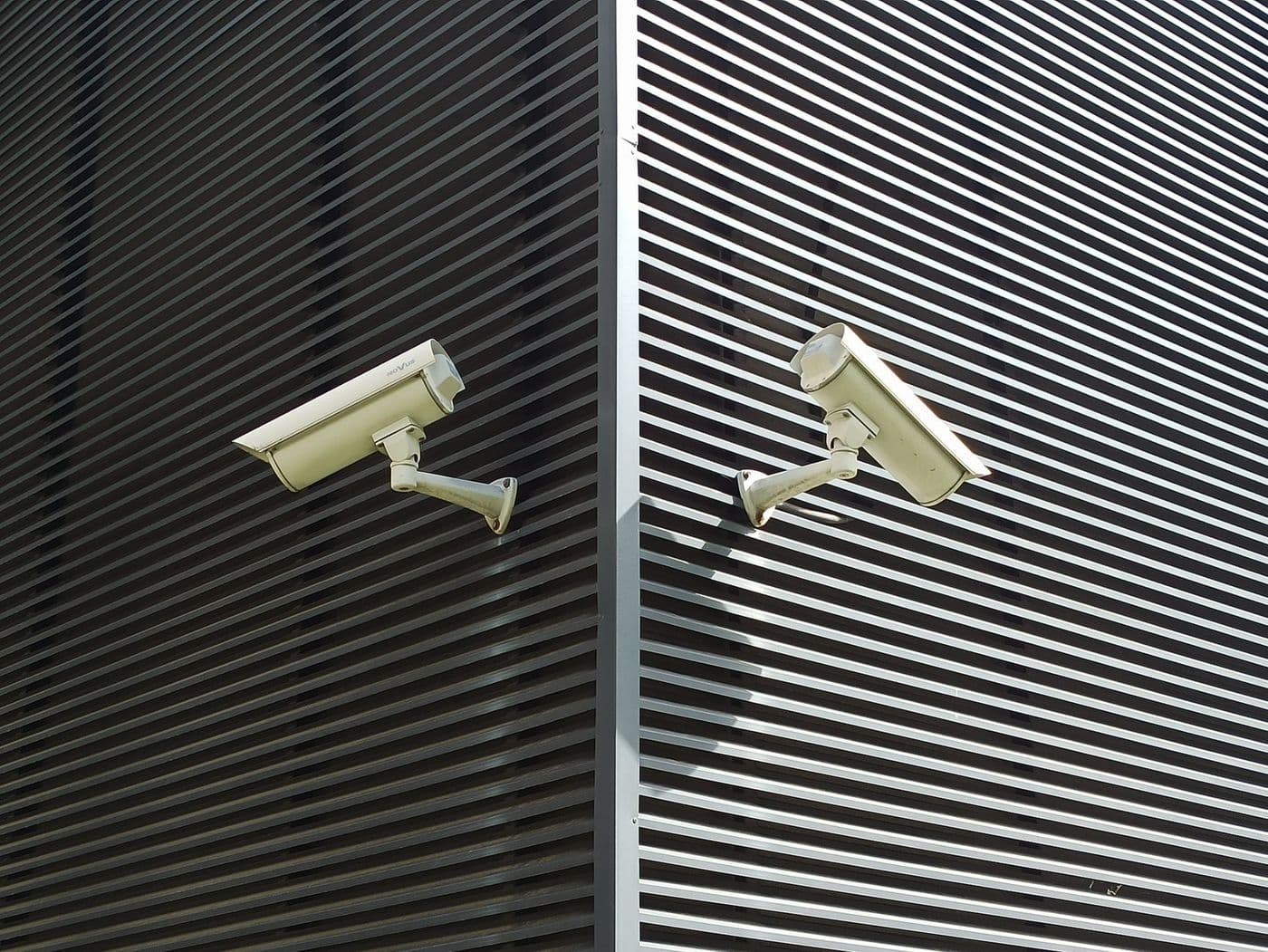
Pet cameras let you check in on separation anxiety, see what really happens to the sofa and talk to your pet while you are out. Many are essentially home security cameras with pet-friendly extras.
Because they are connected to the internet and pointed at your home, privacy and security deserve as much attention as video quality.
Core features to look for
These basics matter more than gimmicks:
- Video quality: 1080p is a sensible minimum; higher resolution helps when zooming
- Field of view: wide-angle lenses, or pan-and-tilt cameras that can rotate to follow your pet
- Night vision: infrared for checking in after dark
- Two-way audio: a speaker and microphone so you can listen and talk
- Motion and sound alerts: ideally with pet detection to reduce false alarms
Pet-specific extras
Treat-tossing cameras let you reward your pet remotely; check the treat size they accept and how easy the hopper is to clean. Some cameras offer bark or meow alerts, or automatic activity summaries.
These extras can be fun and useful for training, but they add cost and moving parts. If you mainly want to check in, a standard indoor camera may do the job.
Tip: If your pet has separation anxiety, use the camera to observe and share clips with your vet or a qualified behaviorist rather than relying on remote treats alone.
Subscriptions: read the small print
Many cameras show live video for free but put recording history, smart alerts or cloud storage behind a monthly plan. Before buying, check exactly which features stop working without a subscription and what the plan costs per year.
Cameras with a microSD slot can record locally without a monthly fee, although you lose the clips if the camera is stolen or damaged.
Wi-Fi and placement
Many home cameras connect only to 2.4 GHz Wi-Fi, which travels further through walls than 5 GHz. Test the signal where you plan to put the camera; weak Wi-Fi causes laggy or dropped video.
Mount or place the camera out of reach of curious paws and chewing, and keep cables tidied away or protected so pets cannot chew them.
Keep your pet camera private and secure

A camera inside your home should be locked down like any other account:
- Use a unique, strong password for the camera account
- Turn on two-factor authentication if it is offered
- Install firmware and app updates promptly
- Choose brands that publish a clear privacy policy and support updates for several years
- Avoid pointing cameras at bedrooms, bathrooms or neighbors' property
- Use a privacy shutter or schedule the camera to switch off when you are home
Frequently asked questions
Do pet cameras work without Wi-Fi?
Most need Wi-Fi to stream video to your phone. Some can keep recording to a microSD card during an outage, but you will not be able to watch live.
Is a pet camera worth it?
It can be, especially for checking on anxious pets, puppies in training or older pets. If you only want occasional check-ins, a basic indoor camera is usually enough.
Can pet cameras be hacked?
Any internet-connected camera can be at risk. Strong unique passwords, two-factor authentication and regular updates greatly reduce that risk.
General information only. Check product labels and manufacturer instructions before you start.
Keep reading
Can AI Tell If Your Pet Is Sick? What Pet Health Apps Can and Can't Do
AI symptom checkers, pain-detection apps and activity trackers explained: how they work, where they help, their limits and when to call a vet.

GPS Pet Tracker vs Bluetooth Tag (Like AirTag): Which Do You Need?
How GPS pet trackers and Bluetooth tags work, range, subscriptions, battery life and which is better for dogs, cats and escape artists.

How to Choose an Automatic Pet Feeder: 9 Features That Actually Matter
Smart vs timed vs gravity feeders, Wi-Fi, battery backup, portion control, anti-jam design and cleaning: what to check before buying a pet feeder.